Navigate AI.
ADVANCE WHAT MATTERS.
Category: Ethical & Responsible AI
-
Productive and enjoyable to actually get to read about positive ways that my bread and butter (AI) exists in the world.
-

…These tools have the potential to lower the cost of producing cultural artifacts, thereby increasing humans’ power to create things or maybe even create value.
-
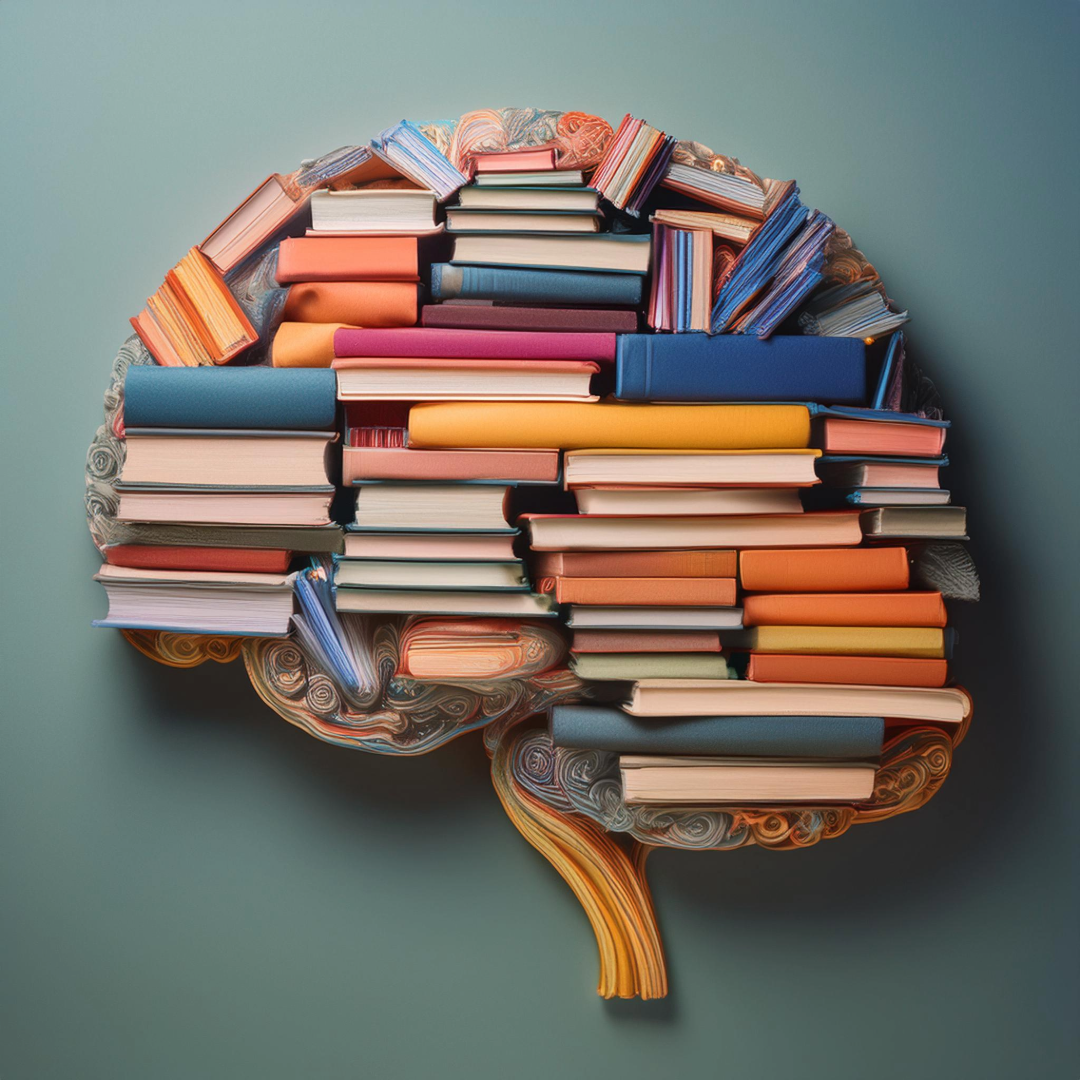
“While cognitive offloading with AI reduces people’s higher thinking abilities, thoughtful integration of ‘extraheric AI’—which nudges, questions, and challenges users—can substantially improve critical thinking.”
-
With the residue of uncertainty…, I am trying to give myself a little bit more credit for what I have achieved.
-

OpenAI has been taking some serious flak in the past weeks about its “synthetic courtesy” to the point that Sam Altman has said that, due to how “annoying” GPT-4o has become, the upcoming update will address GPT’s excessive pandering.
-

Long-term evaluation strategies can help determine whether candidates possess a genuine understanding of their field, weeding out individuals who depend excessively on AI to complete their tasks.
-

We meet people where they are, with compassion for those who endure exhausting changes in technology—and the weaponization of efficiency against the public good.
-

This has instilled a great fear of any kind of non-human entity that can seemingly think for itself, so large language models perfectly prey upon that fear. Both the fear of the unknown and the fear of a threat to humanity come together incredibly well to cause a fear of AI for those who don’t…
-
…a nice balance of enthusiasm and skepticism for AI risks, digestibility, timeliness, and humanity…
-

When you create a book using AI, who owns it? What about a picture or a video? These may seem futuristic issues, but the future is already here.