Category: AI & Workforce Development
-
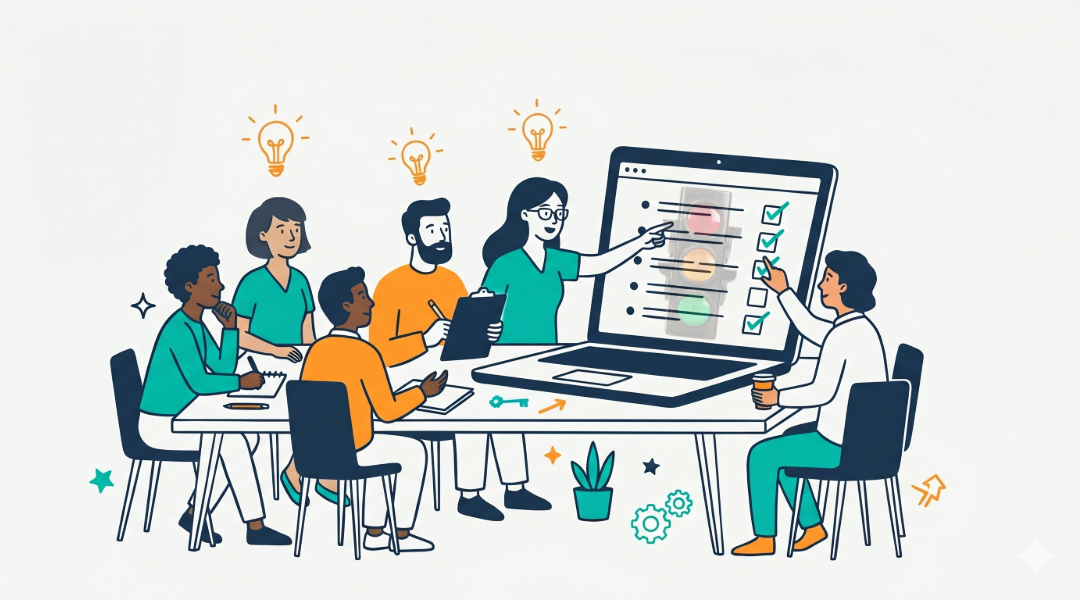
No one in the world feels fully prepared for AI right now. And yet participants engaged with hard questions.
-
So, are we using AI to build human capacity, or to remove the bottom rung of the ladder?
-

We just have a constellation of thoughts going through our heads. AI gives us that opportunity to be more structured.
-

That quiet expansion of expectations is a real risk. Using AI broadly comes with a responsibility to engineer these.
-
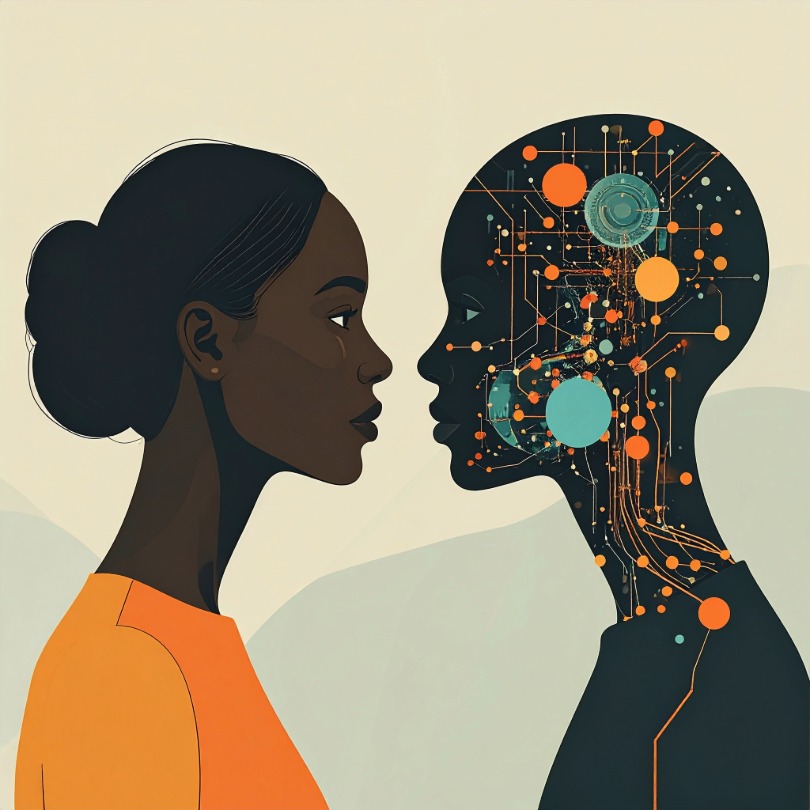
While its outputs may be reminiscent of how a human expresses thoughts, AI does not actually understand what it is doing.
-
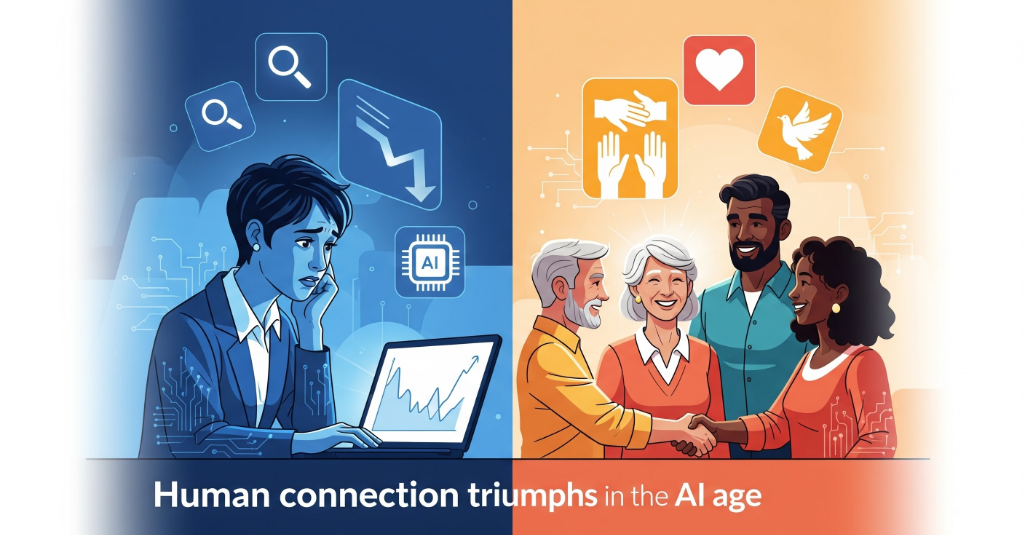
The organizations that will thrive won’t be those that resist these changes or those that thoughtlessly automate everything.
-
Some of that work can be delegated to those who don’t share the vision, and this is where AI can shine.
-

Hiring in AI’s next phase means sifting for moral judgement, not just tech-happy tool use.
-

…Children are naturally curious and want to ask more questions and to take ownership of knowledge.
-

Weed out individuals who depend excessively on AI to complete their tasks.