A Pre-Postcard from Türkiye
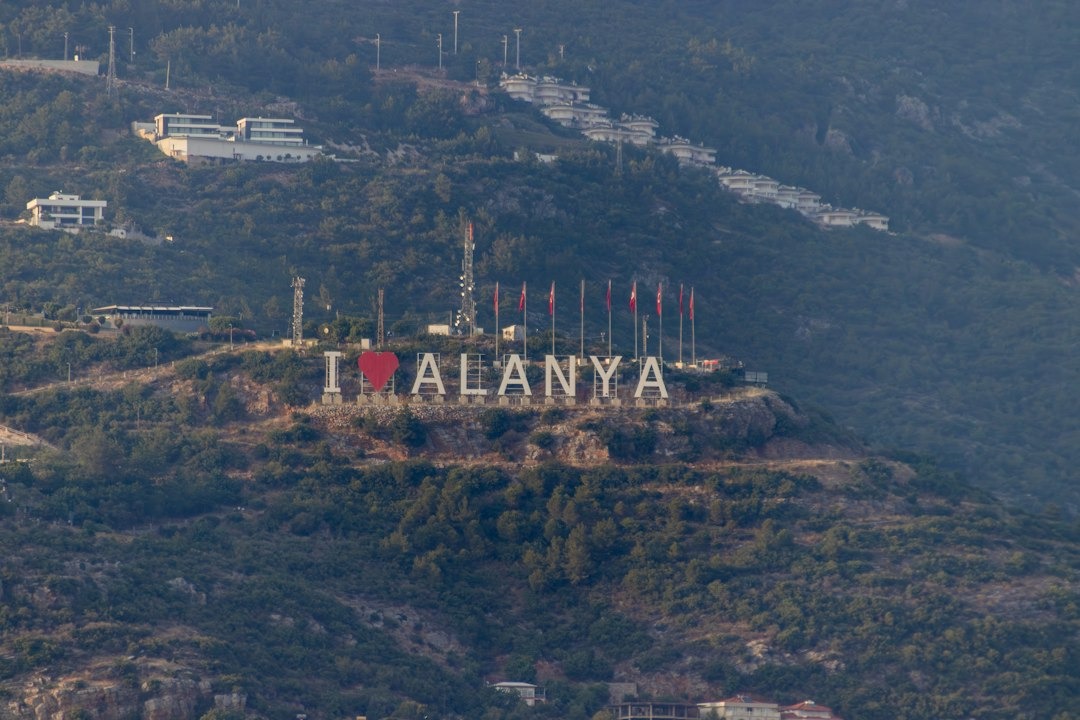
We’re headed near Antalya in Türkiye on vacation this week to clear our heads of work, munch on simit and cay, and settle into the crystalline waters of the Turkish Riviera. Even though we’re hoping to de-entrepreneur for about six days, we at least prepared for our trip by packing some geeky holiday reading: national AI strategies.
Well, it turns out Türkiye is not going cold turkey on AI. I’ll see myself out.
What got us reading some recent news that Türkiye hosts the COP31 climate summit in Antalya this November, and on the sidelines of the UN General Assembly, it launched a push to deal with AI’s energy appetite through a political pledge countries could sign. The COP31 presidency is drafting it with a UN agency as the “Antalya Declaration on Artificial Intelligence,” and one day of the summit will go to technology and AI, including a portfolio of pilot projects.
Most of us who work with mission-driven teams talk about AI’s risks to people: bias, privacy, shadow AI. But at AlignIQ, we also talk about the environmental risks. So, let’s talk Turkey about it. A host country just made this question an electrifying agenda item: Could you say what resources power AI?
So is Türkiye good soil for AI that does some good? Here were my vibes going in, of course as super excited as I am to head the easternmost I have in my life.
-The Turkish kids I went to college with (and interviewed for admission when I was an alum) are the quietly brilliant cool kids. They all very instinctively know their way to a 4.0 in any subject they pursue, and they are Renaissancy. (Ottoman-y?) They also stared right through my 3.0 pseudointellectualism.
-They take care of their cats like nobody’s ever seen, and are otherwise very community-oriented.
-They make German Essenkultur much more delicious. Turkish delight isn’t for everyone, but it’s no worse than the best known classic of Dutch Cinema.
-Their current president is a total sketchball.
So what have I learned in my research for both work and leisure? It’s young. Invest in Türkiye, a government agency (read it as a brochure), puts the median age at 34.4. This translates to tech job pursuit as whole: a 2025 ecosystem report counted 1,188 active AI startups inside the country, and more than 1,400 once you include companies Turkish founders started abroad. The state-backed tech festival Teknofest drew applications from around 100,000 young people in 2020.
More specifically with AI, the 2024-2025 national AI action plan lists 19 actions, among them legislation aligned with international norms and an expert committee on technical and ethical standards for homegrown language models. Plan isn’t practice, and I haven’t gotten around to researching how much of the ball is rolling.
The stereotype that they’re obscenely good at school? I guess that’s because I’ve mainly encountered the elites. The OECD disagrees with my assumptions. Consider me schooled. Türkiye’s 2022 PISA scores sat below the OECD average (453 in math against 472). Interestingly, the OECD also notes that Türkiye is one of a handful of countries whose results improved over more than ten years.
The community-minded part is harder to pin down, and the evidence is mixed. The Charities Aid Foundation’s World Giving Index, which counts donating, volunteering and helping strangers, ranked Türkiye 131st of 146 in 2018. I don’t know what to make of that gap, and I’d like to hear from readers who do.
Then there’s the assumption that feels more au courant. CIVICUS rates Türkiye’s civic space “repressed,” (27 out of 100) and 139th of 198 countries in 2023, and it added the country to its watchlist in July 2025 after a wave of protests and arrests, including the detention of Istanbul’s mayor. Good gets done here through a narrower channel, and the same government that shapes civil society is writing the AI rules. No reason to write the country off, necessarily. It is a clean example of why “who gets to ask questions about the AI?” is never an abstract question.
We’re on vacation, not on a fact-finding mission, so take this as a postcard and not a verdict. The question we keep considering is the one we ask clients: if your team’s AI use depends on conditions you don’t control (a funder, a vendor, a government), what’s your plan for the day those conditions change?

Want help sketching that plan? You know where to find us. And if you know Türkiye better than a 6-day visitor with a paid subscription to Claude, tell us what I got wrong.
Know who else is using AI to help save a species? “Can You Hear the Dolphin’s AI? How 5G is Helping Save a Species”
Who gets to define AI’s rules? Ask the people most affected. “Nothing About Us Without Us”
Want a different kind of AI-and-holidays-involving-turkey read? “Turkey Tasks and Tech: Discovering AI’s Culinary Power over the Holidays”
[In this post, we used AI for polish, not purpose.]
Leave a Reply