Tag: #responsibleAI
-

Most of us who work with mission-driven teams talk about AI’s risks to people: bias, privacy, shadow AI.
-

The systems still ain’t broke, which is exactly why no one’s fixing them.
-
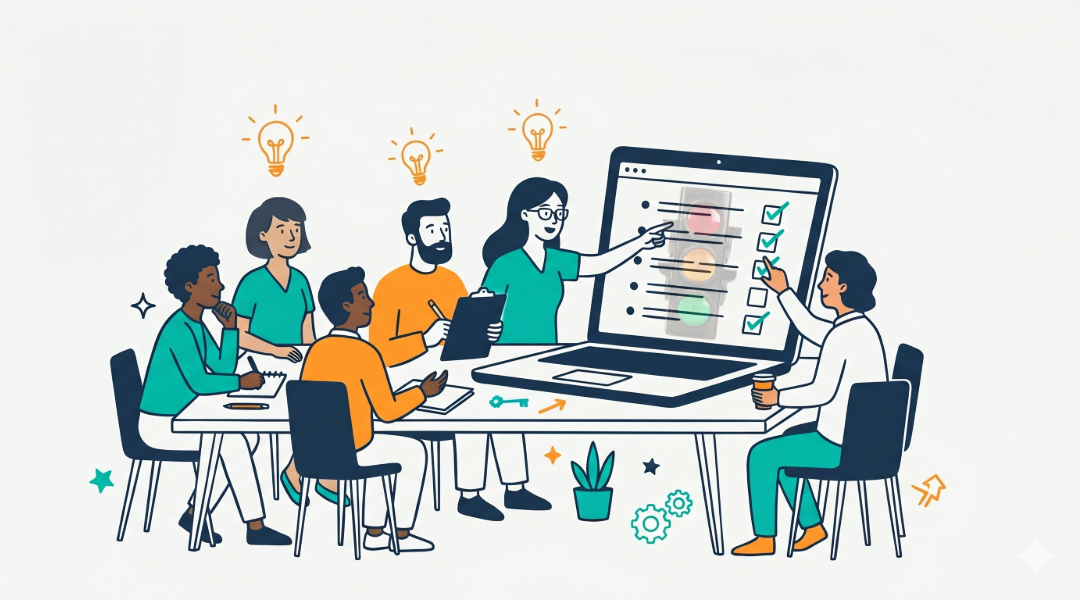
No one in the world feels fully prepared for AI right now. And yet participants engaged with hard questions.
-
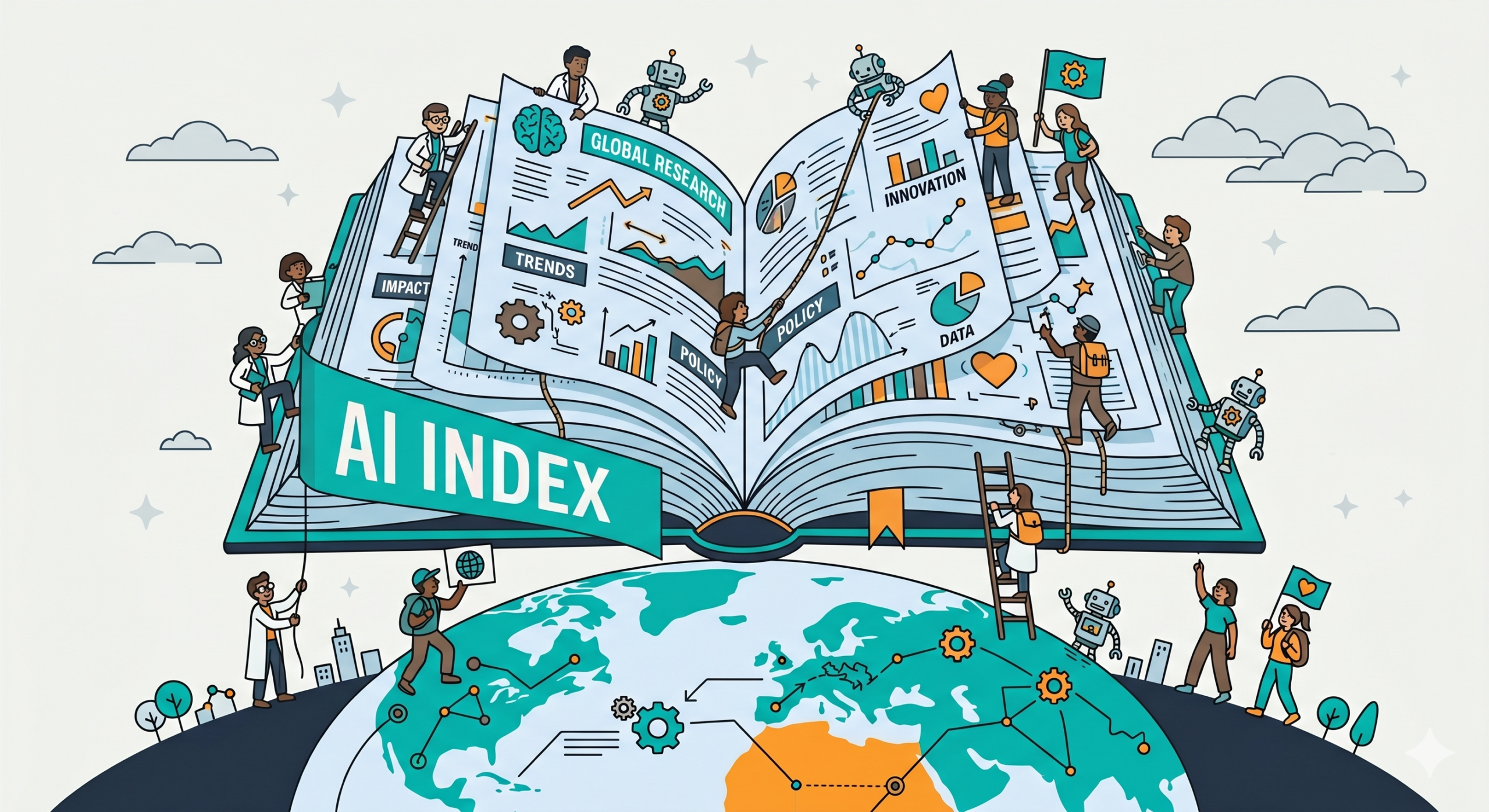
So, are we using AI to build human capacity, or to remove the bottom rung of the ladder?
-

There’s plenty not to like: alienation from the human affectations that make us human. It’s Skynet dressed up like Inspector Gadget.
-

Agents can access their human’s personal information, social media, banks, and anything else tied to them.
-
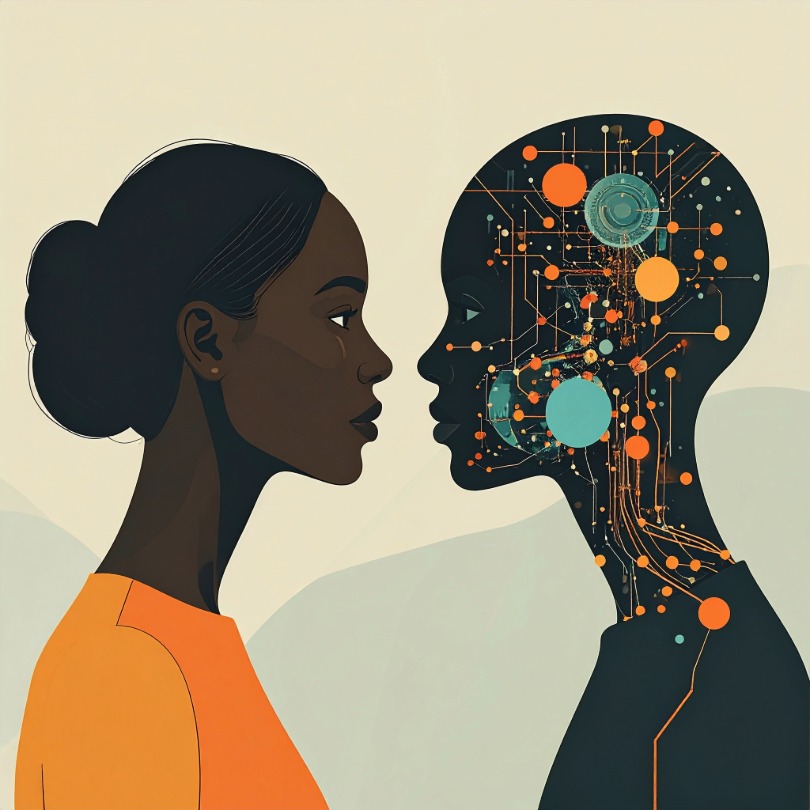
While its outputs may be reminiscent of how a human expresses thoughts, AI does not actually understand what it is doing.
-
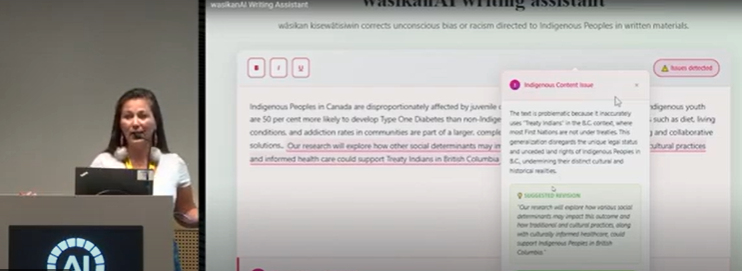
Overall, this panel demonstrated what happens when the people most affected by extractionism are allowed to define AI’s rules and limits.
-

What does harmony look like when humans mediate it through machines?