
Tag: #EthicalAI
-

or…Godzilla v. King Kong by Eddie Garmat Titans Clash The richest man in the world sued the company behind a world-changing technology. In August of 2024, Elon Musk filed suit against OpenAI, claiming that he donated about $40 million to OpenAI for charitable purposes. OpenAI’s founders, Sam Altman and Greg Brockman, were alleged to have…
-
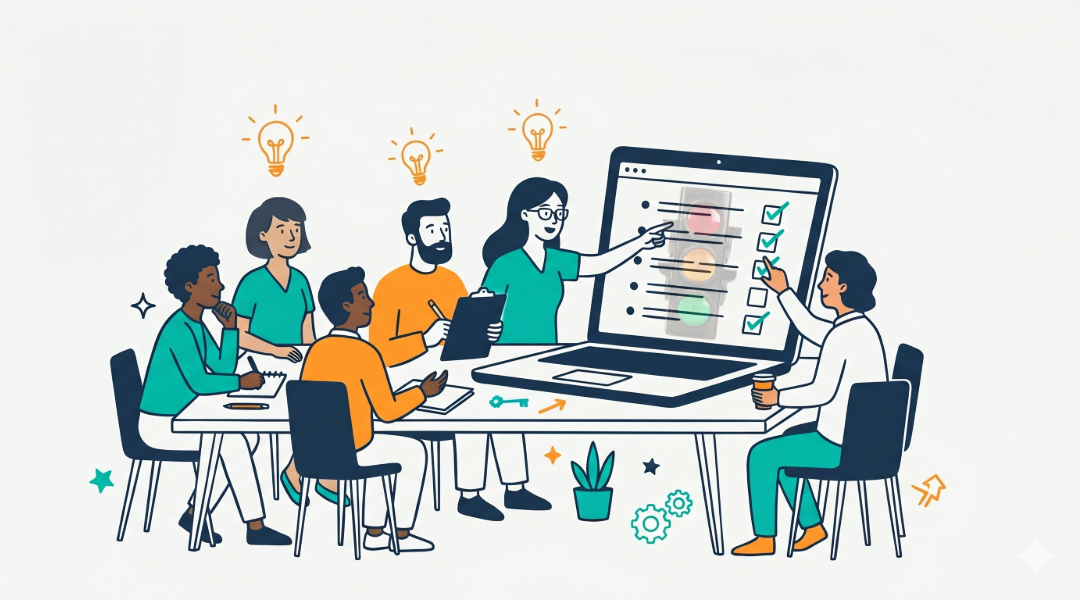
No one in the world feels fully prepared for AI right now. And yet, cohort after cohort, participants engaged with hard questions, challenged AI outputs, flagged hallucinations, and pushed back when something felt off.
-
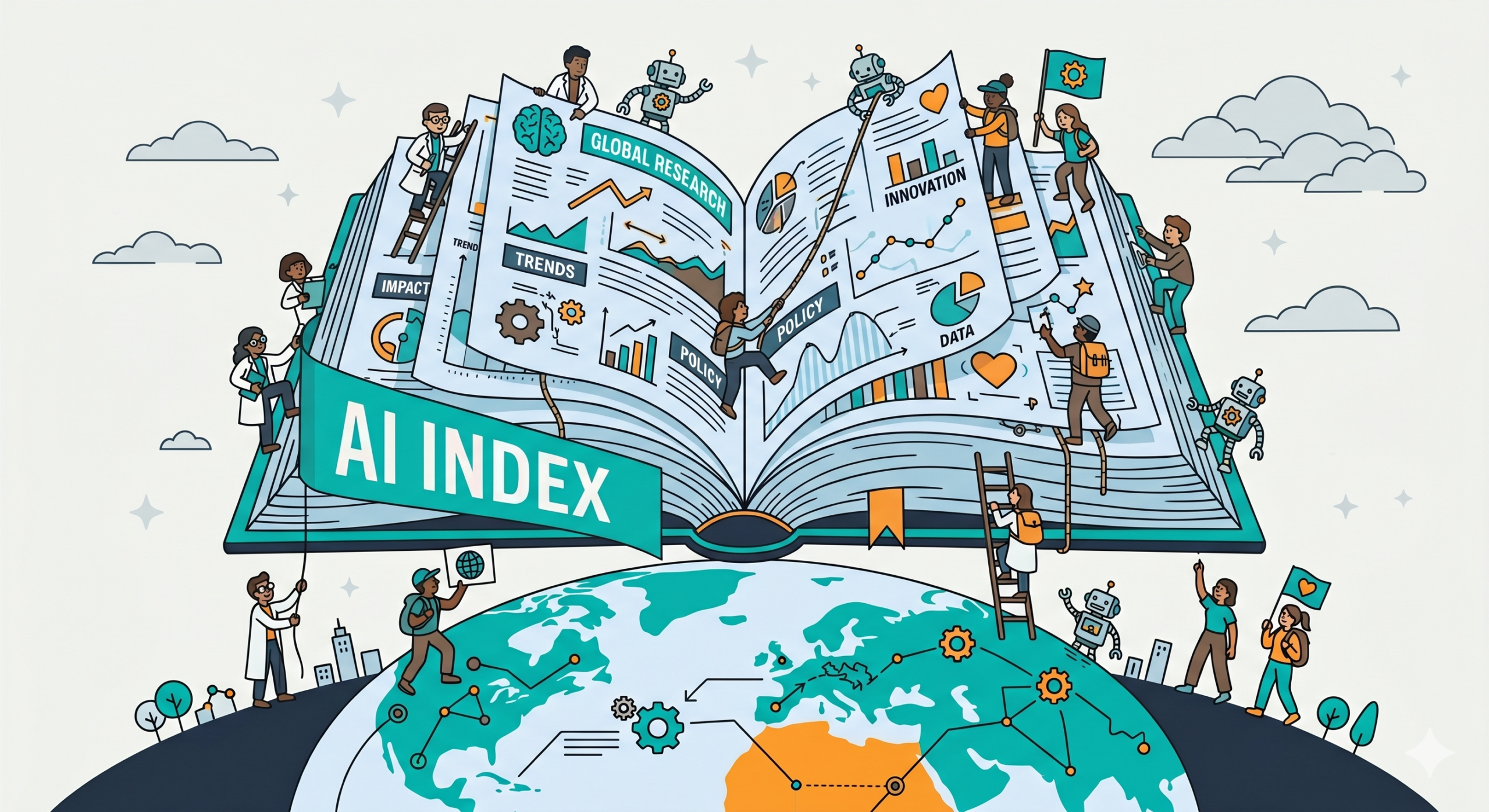
So, are we using AI to build human capacity, or to remove the bottom rung of the ladder?
-

There’s plenty there not to like: alienation from the human affectations that make us feel human, hallucinations, environmental harms, the fact that it’s basically Skynet dressed up like Inspector Gadget.
-
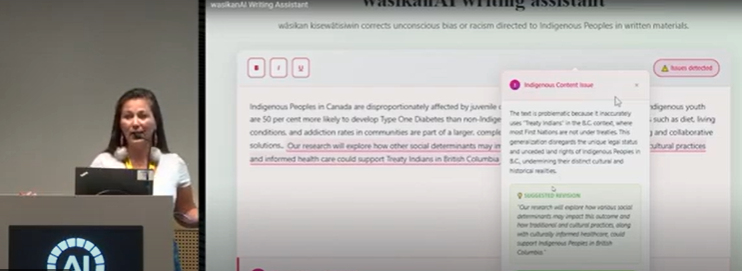
“Overall, this panel was a demonstration of what happens when the people most affected by extractionism are allowed to define the rules, the pace, and the limits.”
-
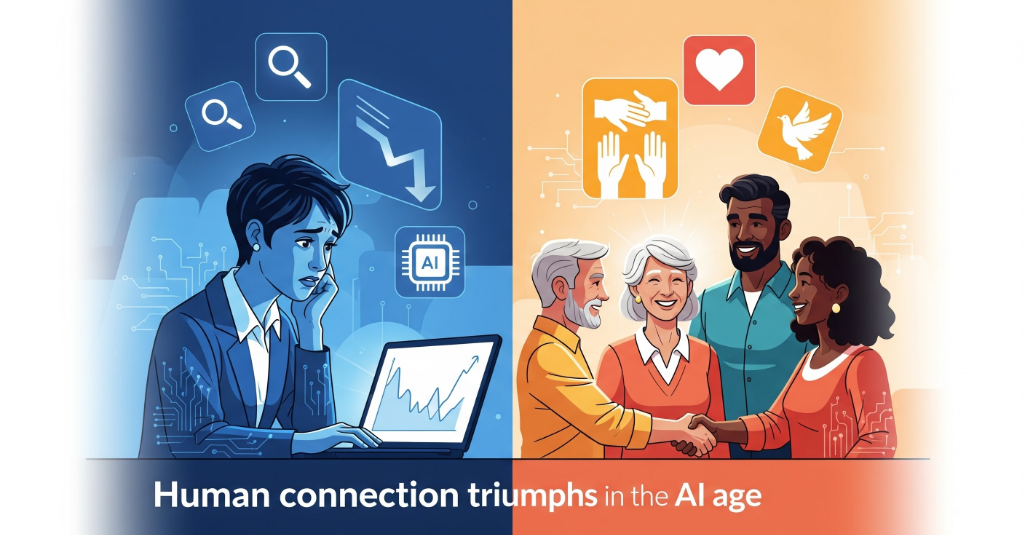
The organizations that will thrive won’t be those that resist these changes or those that thoughtlessly automate everything. They’ll be the ones that find the right balance between leveraging AI for efficiency while doubling down on the real human connections and mission-driven work that no algorithm can replicate.
-

What does harmony look like when humans mediate it through machines?
-

Wanting to learn about and make the world better comes from our experience, but the work to do those things doesn’t always need a direct connection to that primary motivation, as we know all too well. Some of that work can be delegated to those who don’t share the vision, and this is where AI…
-
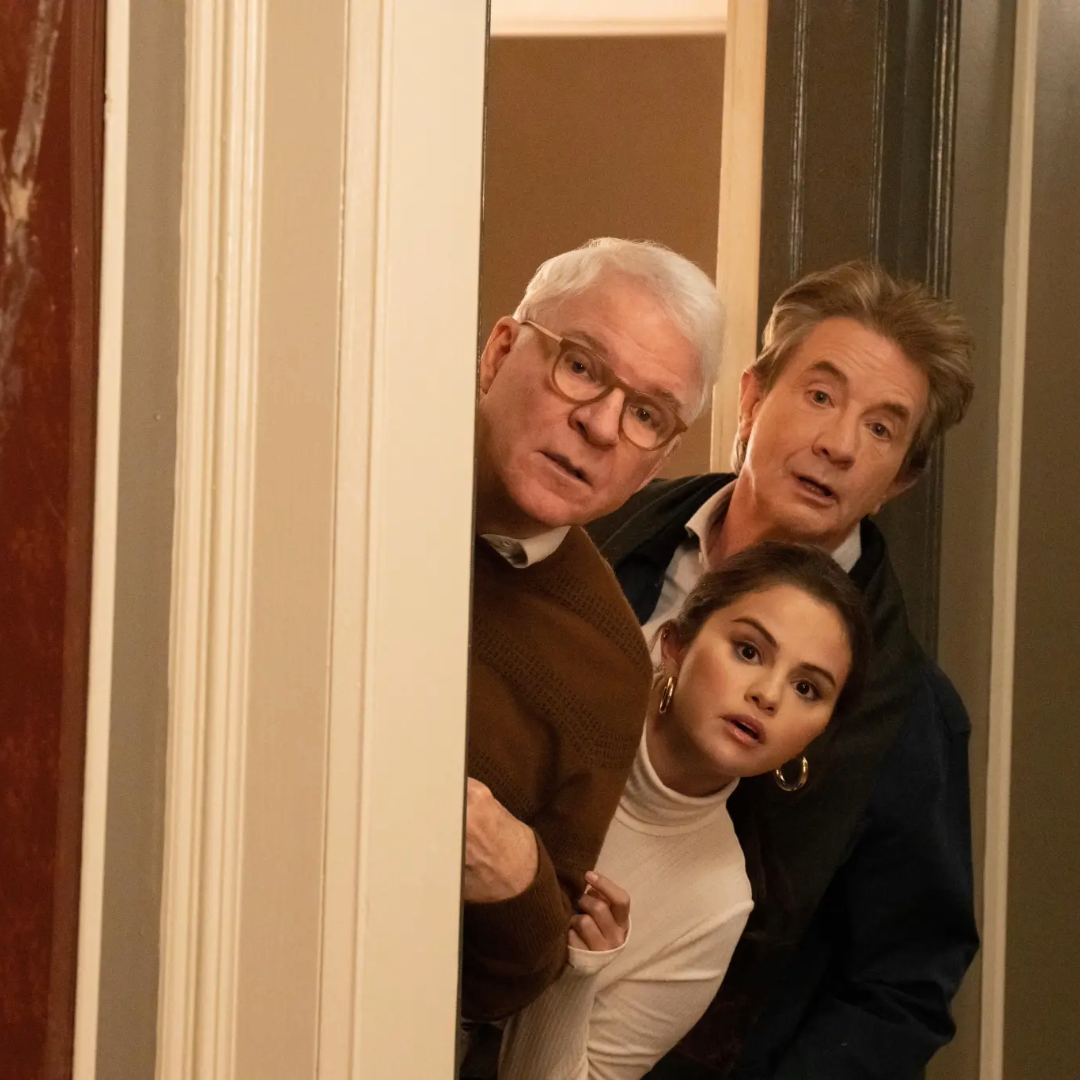
When working with AI, it’s helpful to think of it as an intern in its first week. In the capacity of scriptwriting, AI would be an intern in their first week with an uncanny unconsciousness of their resonance with the human experience.
-

Hiring in AI’s next phase means sifting for moral judgement, not just tech-happy tool use.